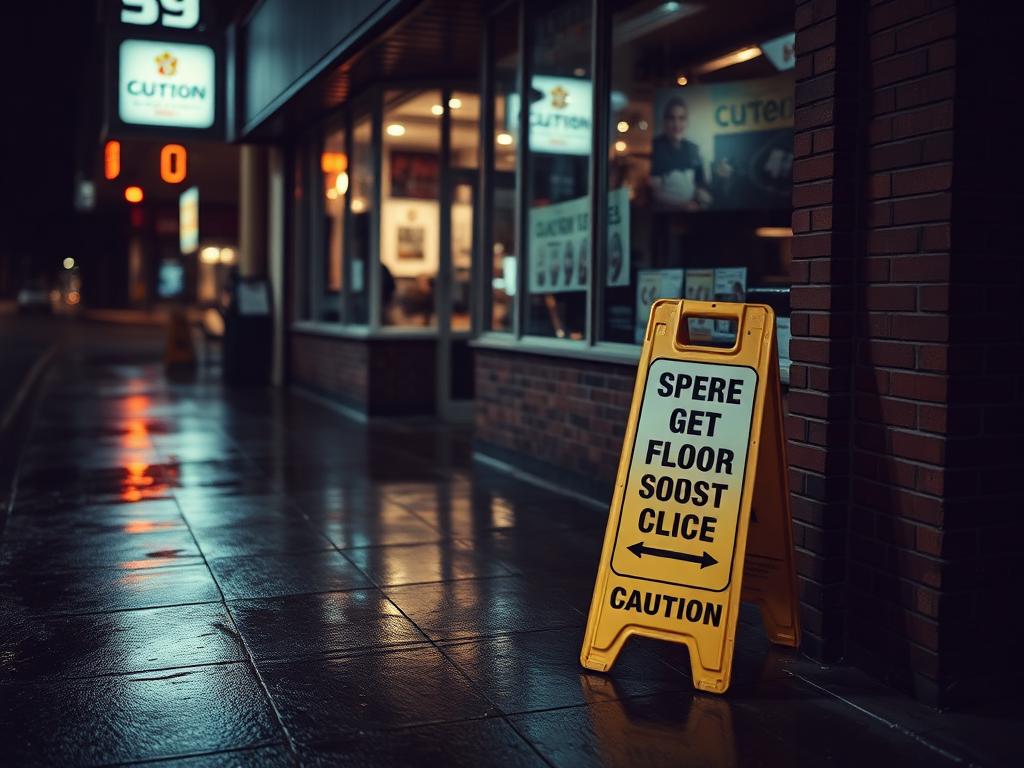
They knew the floor was wet.
They walked past anyway.
Property owners owe their visitors a duty of reasonable care. When that duty is ignored — and the result is your hospitalization — the law calls it premises liability. We call it accountability.
Most security camera footage is overwritten in 7 days or less. The first call to a lawyer should happen before the next business day.
- $9.8M+Recovered in premises liability cases
- 7 daysAverage window before security footage is overwritten
- 3 yrsWashington statute of limitations
- 0%Up-front cost — contingency fee
Where Premises Cases Start
Four common categories.
Slip & fall
Wet floors, ice, leaks, transitions between flooring types — without warning signs or routine inspection.
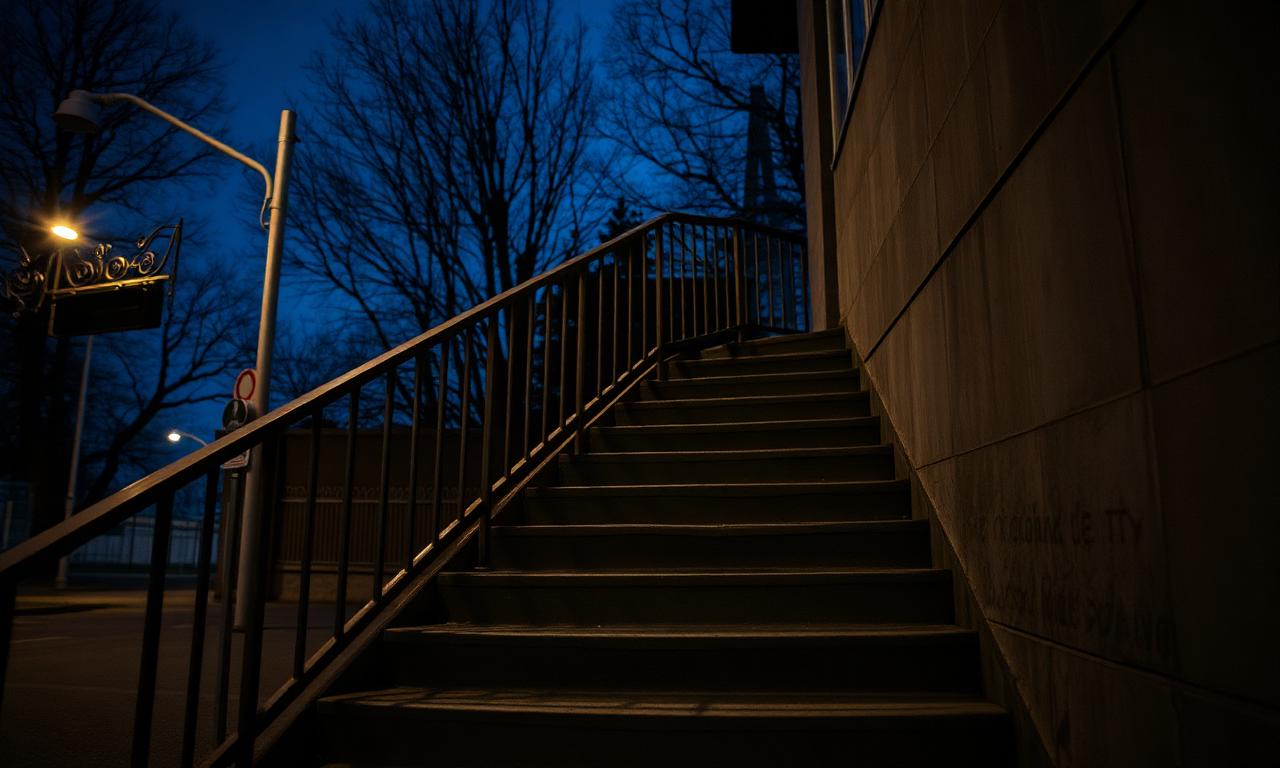
Unsafe stairs
Loose railings, uneven steps, missing nosings, code-violation rises and runs.
Inadequate lighting
Dark parking lots, stairwells, and walkways enabling falls and assaults.
Negligent security
Foreseeable assaults at apartments, hotels, bars, and parking garages.
Six Ways to Prove It
If you fell today, do these six things.
The strongest premises cases are built in the first 72 hours. After that, evidence disappears and the property owner's narrative locks in.
Photograph the hazard
Wide shot, mid-shot, close-up. Capture conditions before management 'fixes' them.
Get an incident report
Insist on a written report. Take a photo of it before leaving. Write down the manager's name.
Find witnesses
Other shoppers, employees, anyone who saw the fall — names and phone numbers.
Seek medical care
Same-day or next-day. Gaps in treatment are the first thing the carrier exploits.
Preserve footage
Most stores overwrite security video in 7–30 days. We send preservation letters within 24 hours.
Don't post on social media
Adjusters comb your accounts looking for anything to undermine the injury claim.
Case Spotlight
Commercial property — repeated water leak, no inspection log.
Client slipped on standing water at a chain retailer in the Bellevue area. Surveillance footage — preserved by us within four days — showed the same leak had been mopped without warning signs three times that week. The store's "inspection log" was created after the fact. Settled at mediation after the surveillance came in.
The Duty Owed to You
Why why you were there changes everything.
Washington premises law sorts every visitor into one of three categories. The category determines the duty the property owner owed you — and the duty determines the value of the case.
Invitee
The owner must inspect for hidden hazards, repair them, and warn of dangers a reasonable inspection would reveal. The vast majority of premises cases fall here.
Licensee
The owner must warn of known dangers but is not required to actively inspect. Homeowner's policies typically respond.
Trespasser
The owner cannot create traps and must use ordinary care once a trespasser is known to be present. Children attracted to hazards (pools, equipment) are treated under a separate doctrine.
Where it usually happens
Six venues that drive most of our caseload.
Premises liability is not one type of case — it is dozens. Each venue has its own building code, its own insurance posture, and its own evidence preservation deadline.
Interactive · 60 seconds
Estimate your premises claim.
Brackets reflect Washington premises verdicts. Comparative fault may reduce the final result.
Premises Liability Estimator
Honest brackets. Comparative fault under RCW 4.22 may reduce the figure.
Step 1 of 3
How serious were the injuries?
Common Questions
What injured visitors ask first.
Does it matter if I was partly at fault?
+
Washington follows comparative fault. Even if you were partially at fault, you can still recover — your award is reduced by your percentage. We work to keep that percentage low.
How long do property owners have to fix hazards?
+
Owners have a duty to inspect and address dangers within a reasonable time. 'Reasonable' depends on the type of property, the foreseeability of the hazard, and the warning given. We document the timeline carefully.
What if I fell at a friend's house?
+
Homeowners insurance typically covers guests injured by negligent conditions. Pursuing the claim against the policy — not your friend personally — is standard.
What about negligent security claims?
+
When an apartment, hotel, or business knew of prior crimes and failed to take reasonable measures, they can be liable for foreseeable assaults. These cases require detailed history and expert security testimony.
Time-sensitive evidence